Euro 1996
At its first major tournament, Croatia reached the quarterfinals where it lost against later winner Germany.
Read more
At its first major tournament, Croatia reached the quarterfinals where it lost against later winner Germany.
Read more
At its first World Cup, held in France, Croatian team won the historic bronze medal.
Read more
FIFA World Cup 2002 was held in Japan and South Korea, with Croatian team participating in the group stage.
Read more
EURO 2004 was held in Portugal, with Croatian team participating in the group stage.
Read more
FIFA World Cup 2006 was held in Germany, with Croatian team participating in the group stage.
Read more
EURO 2008 was held in Switzerland and Austria, with Croatian team losing a dramatic quarterfinal against Turkey.
Read more
EURO 2012 was held in Ukraine and Poland, with Croatian team stopped in the group stage by later finalists Spain and Italy.
Read more
FIFA World Cup 2014 was held in Brazil, with Croatian team participating in the group stage.
Read more
EURO 2016 was held in France, with Croatia reaching the Round of 16 and bowing out against later winners Portugal.
Read more
At the FIFA World Cup in Russia, Croatia national team achieved the biggest success in history by reaching the final and winning the silver medal.
Read more
Due to SARS-CoV-2 pandemic, Pan-European EURO 2020 was held in 2021, with Croatia national team reaching the Round of 16.
Read more
FIFA World Cup 2022 was held in Qatar, with Croatia national team winning the bronze medal.
Read more
UEFA Nations League final tournament in 2023 was held in Netherlands. As a first-time participant, Croatia won the silver medal.
Read more
EURO 2024 was held in Germany, with Croatian team participating in the group stage.
Read more
FIFA World Cup 2026 was held in USA, Canada and Mexico, with Croatia national team reaching the Round of 32.
Read more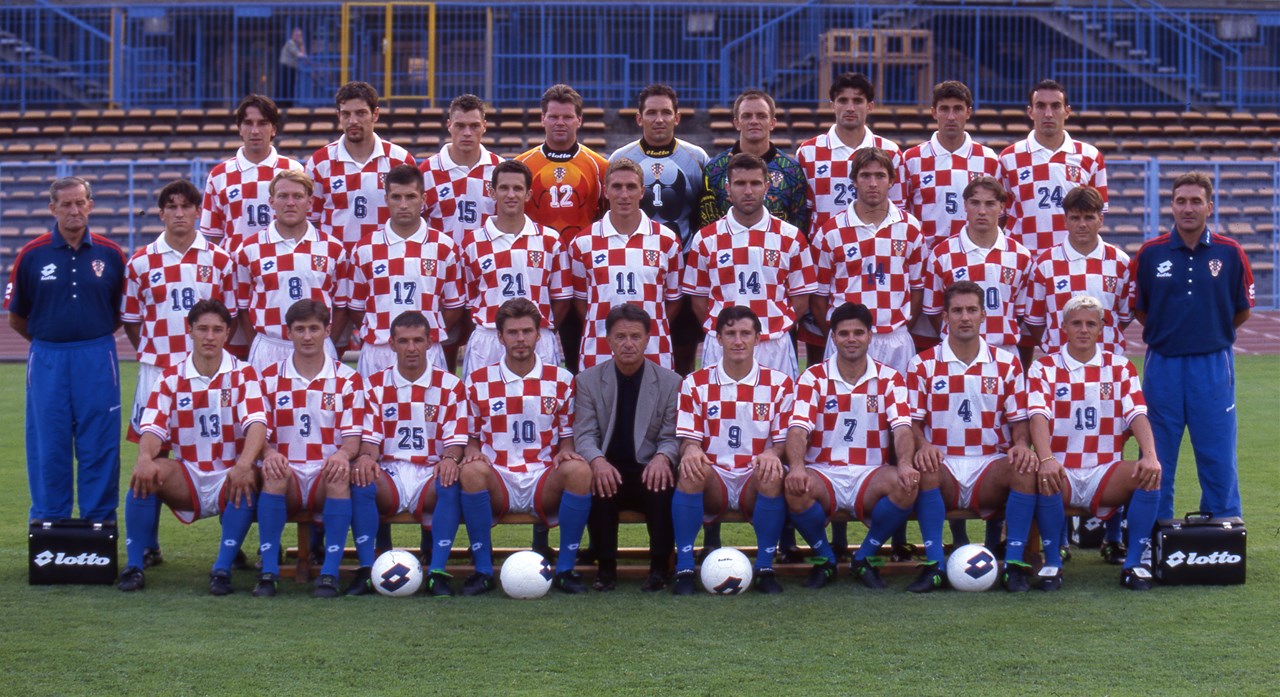
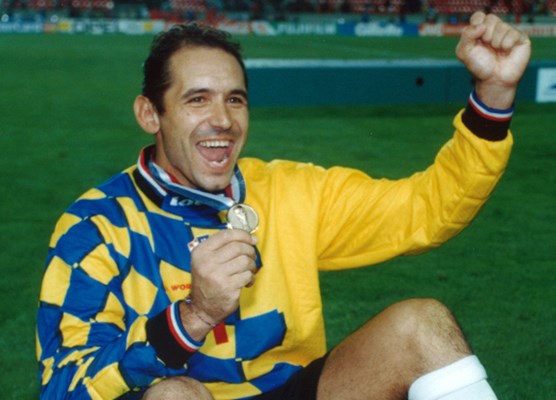
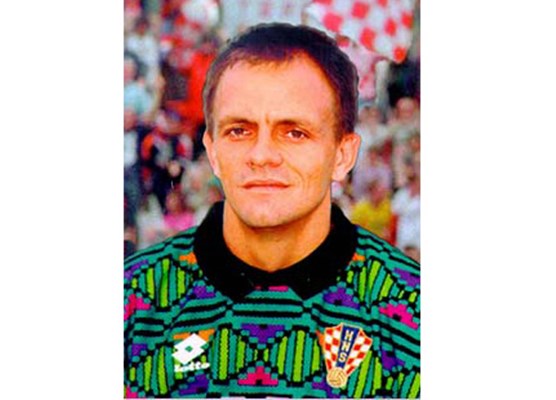
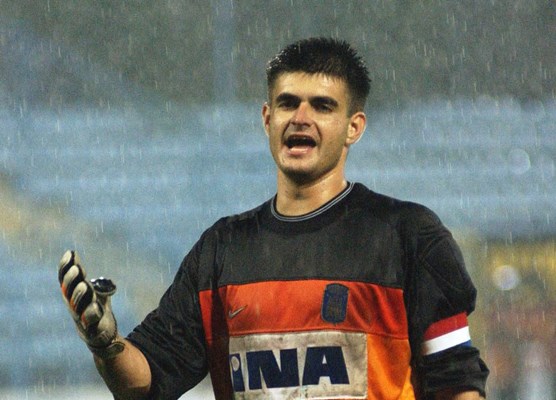
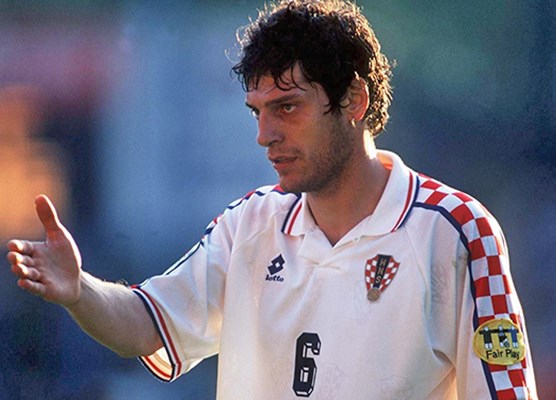
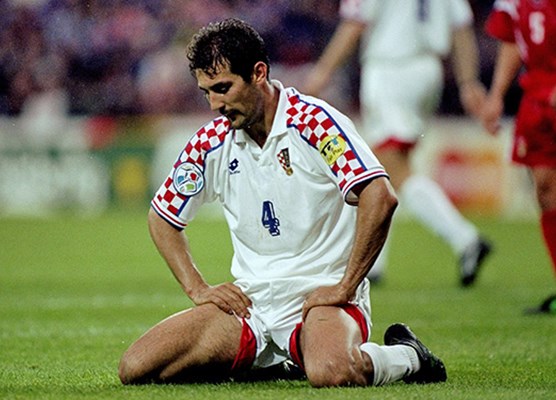
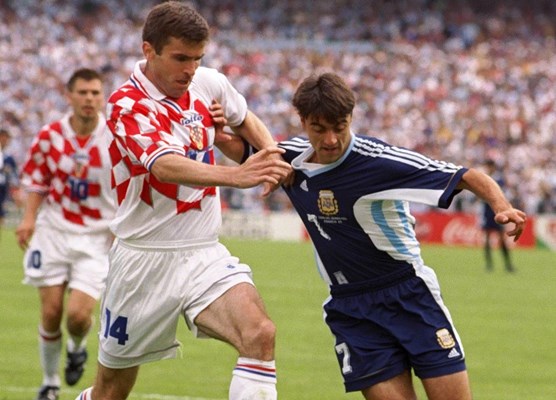
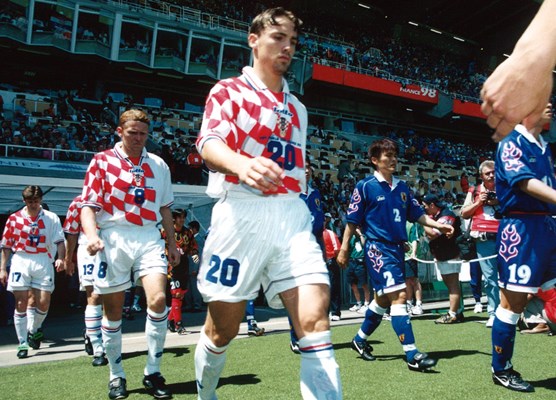
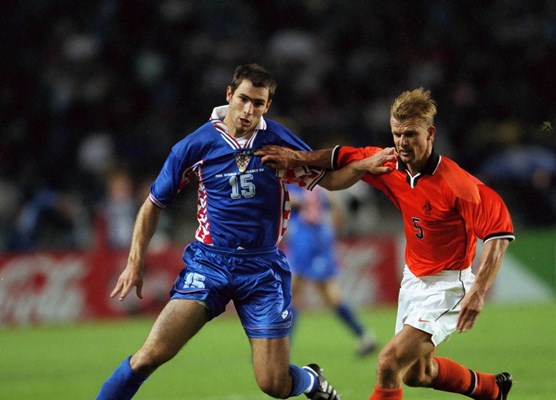
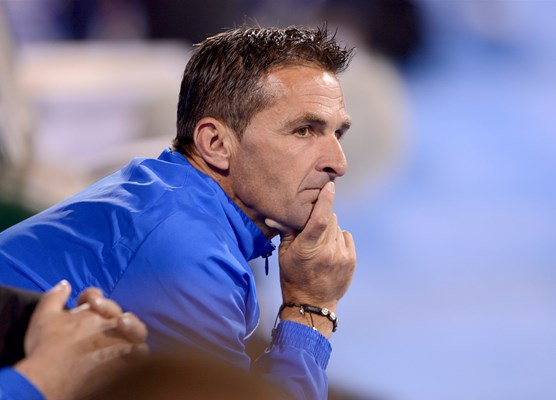
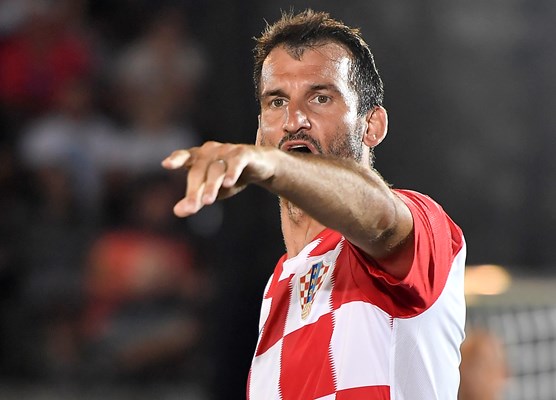
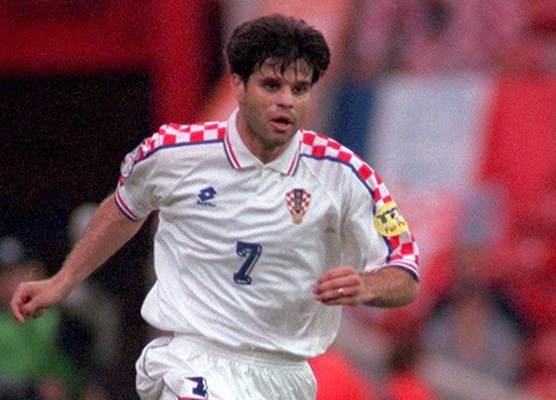
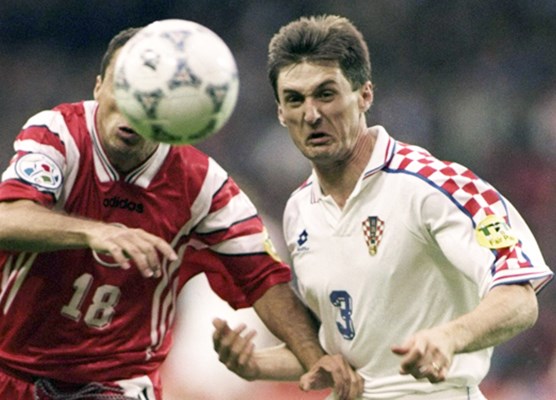
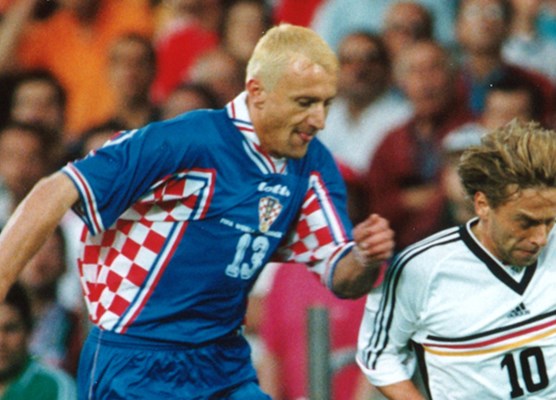
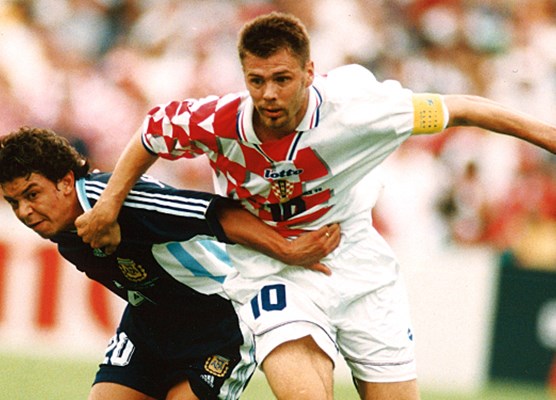
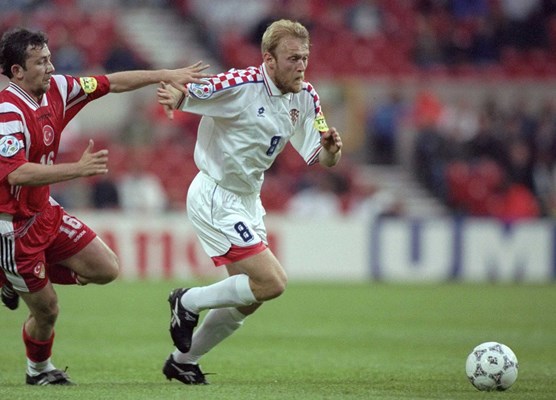
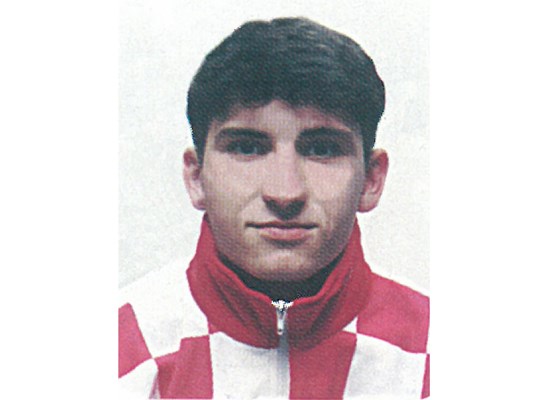
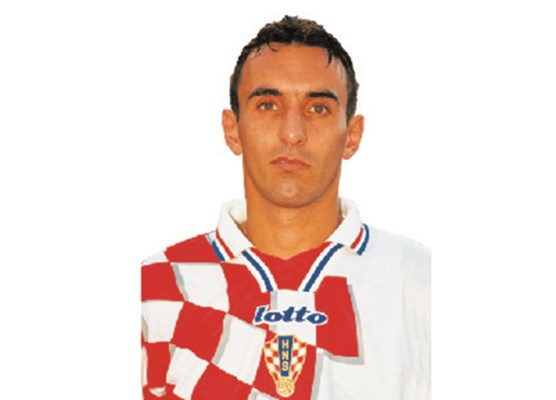
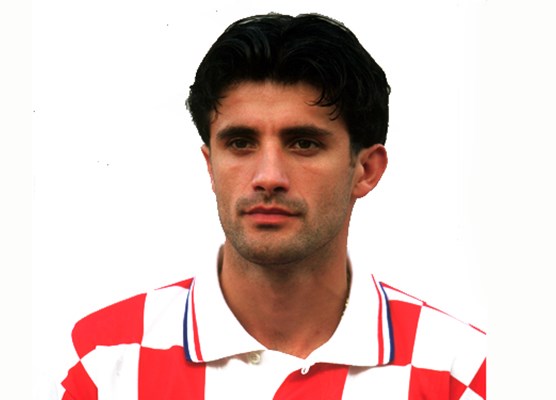
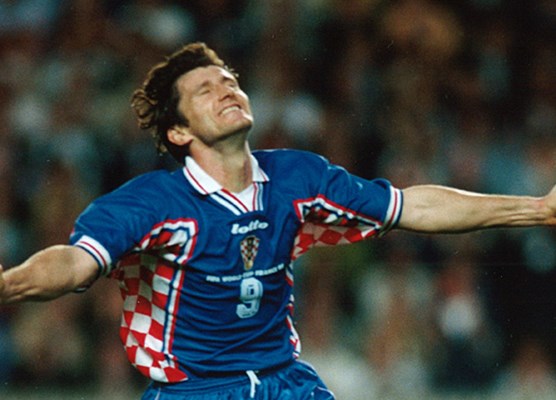
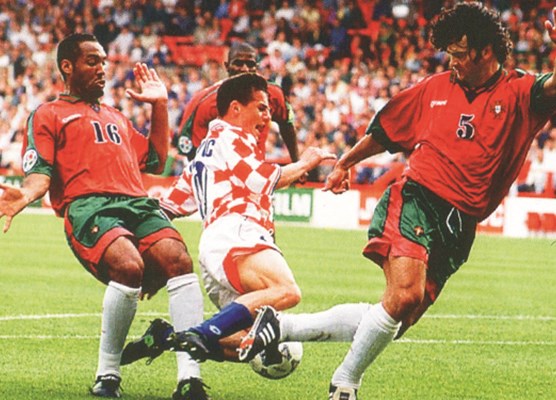
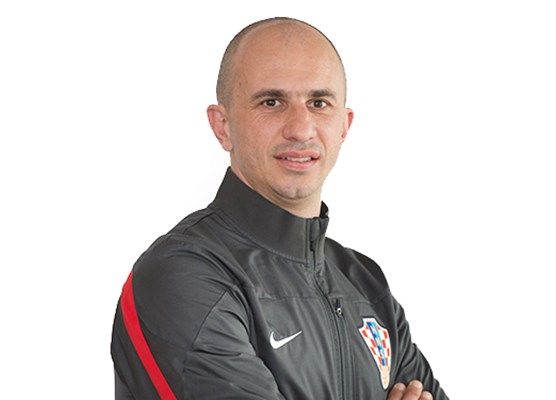
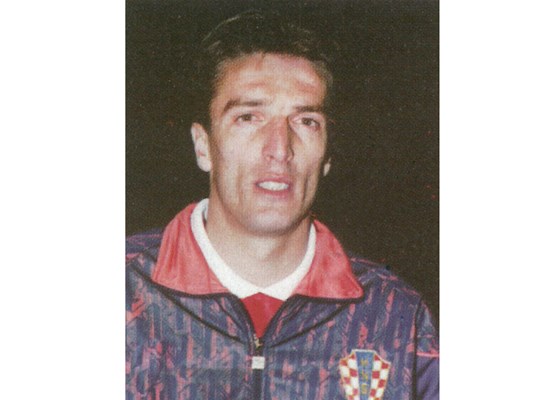
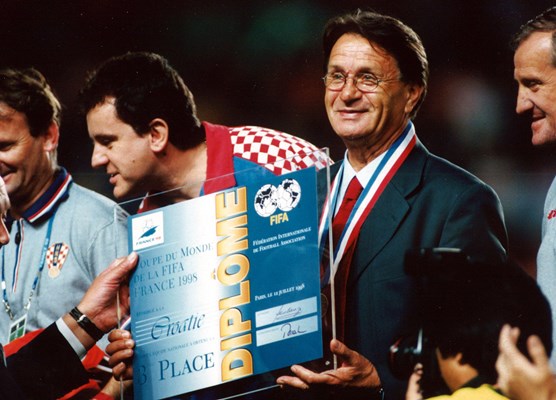

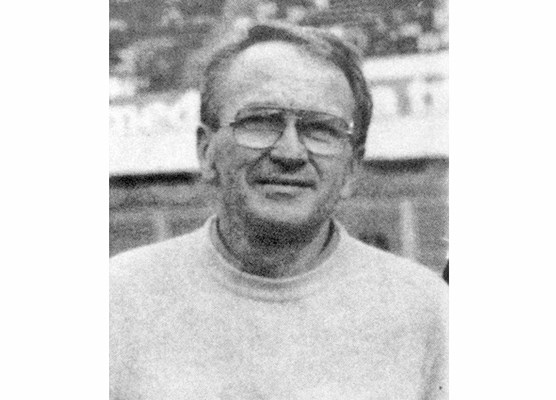
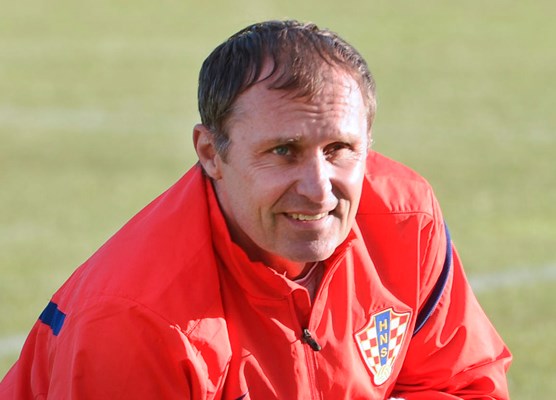
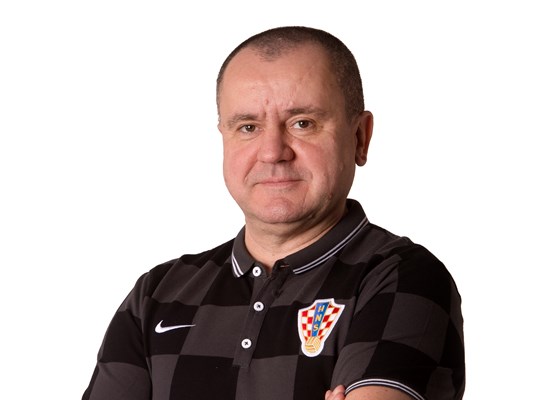
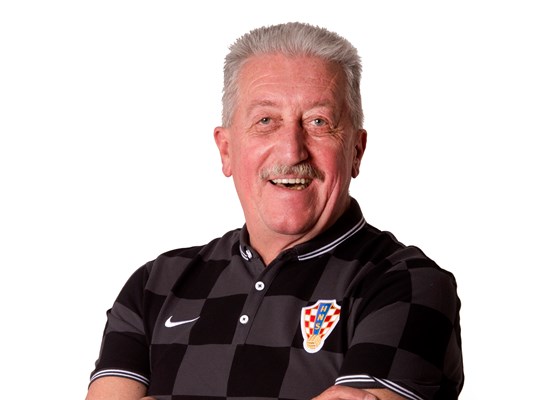


For the first time among the world’s elite, Croatia wrote a fairy tale that would be retold for generations. A fairy tale that helped place a small, newly recognised country firmly on the world map. In 1998, time stopped for Croatians for an entire month, as their sporting idols embarked on a journey that made football the first topic of the morning and the last of the night.
The French city of Lens became the centre of the world when young, football-loving Croatia awaited the World Cup debut of its national team, not long after an impressive Euro 1996 performance and a gruelling qualification campaign.
The opponents were fellow debutants Jamaica, and Mario Stanić scored Croatia’s first, historic World Cup goal. Earl’s equaliser did not rattle the plans of coach Blažević’s side — the same Blažević who would later charm the French public with a police cap. A spark of magic from Robert Prosinečki and the first of many goals by Davor Šuker brought all three points.
Good soon became better. The struggle beneath the scorching French summer sun against resilient Japan was balanced until the 77th minute, when Šuker once again proved his worth. Croatia now had two wins from two matches and a confirmed place in the round of 16.
Better quickly became excellent. A defeat to Argentina in the battle for the top of Group H (0:1) was swiftly forgotten.
Excellent then became euphoric. Romania’s “Blondes” were sent home in the round of 16 by another moment of Šuker’s cold-blooded brilliance, in the final minutes of the first half — much to the despair of helpless goalkeeper Stelea.
Euphoria then turned into the incredible. Lyon’s Gerland Stadium, adorned with a giant Croatian tricolour, became sacred ground for Croatians who witnessed the fall of the German giant. Wörns’ red card set the stage: for Robert Jarni’s long-range strike to break the deadlock, for Dražen Ladić to produce one of the tournament’s finest saves, for Goran Vlaović to double the lead, and for Davor Šuker to provide the finishing touch.
The incredible transformed into dreams fulfilled. Almost. Croatia was one minute away from the World Cup final. Early in the second half of the semi-final against France, Šuker stunned the hosts and Croatia dared to dream — only for those dreams to be shattered by an unexpected hero, French defender Lilian Thuram. He revived France with the only two goals of his international career, levelling quickly and scoring the winner in the 69th minute. Croatia could not recover in time but, with a broken heart, managed to claim the bronze medal at the Parc des Princes.
The mission was completed in a match full of substance against the Netherlands, with Prosinečki and Šuker once again on the scoresheet. The long and well-deserved celebrations that followed finally took their ultimate shape: Croatia’s heroes were welcomed home, creating unforgettable memories and eternal pride.