Euro 1996
At its first major tournament, Croatia reached the quarterfinals where it lost against later winner Germany.
Read more
At its first major tournament, Croatia reached the quarterfinals where it lost against later winner Germany.
Read more
At its first World Cup, held in France, Croatian team won the historic bronze medal.
Read more
FIFA World Cup 2002 was held in Japan and South Korea, with Croatian team participating in the group stage.
Read more
EURO 2004 was held in Portugal, with Croatian team participating in the group stage.
Read more
FIFA World Cup 2006 was held in Germany, with Croatian team participating in the group stage.
Read more
EURO 2008 was held in Switzerland and Austria, with Croatian team losing a dramatic quarterfinal against Turkey.
Read more
EURO 2012 was held in Ukraine and Poland, with Croatian team stopped in the group stage by later finalists Spain and Italy.
Read more
FIFA World Cup 2014 was held in Brazil, with Croatian team participating in the group stage.
Read more
EURO 2016 was held in France, with Croatia reaching the Round of 16 and bowing out against later winners Portugal.
Read more
At the FIFA World Cup in Russia, Croatia national team achieved the biggest success in history by reaching the final and winning the silver medal.
Read more
Due to SARS-CoV-2 pandemic, Pan-European EURO 2020 was held in 2021, with Croatia national team reaching the Round of 16.
Read more
FIFA World Cup 2022 was held in Qatar, with Croatia national team winning the bronze medal.
Read more
UEFA Nations League final tournament in 2023 was held in Netherlands. As a first-time participant, Croatia won the silver medal.
Read more
EURO 2024 was held in Germany, with Croatian team participating in the group stage.
Read more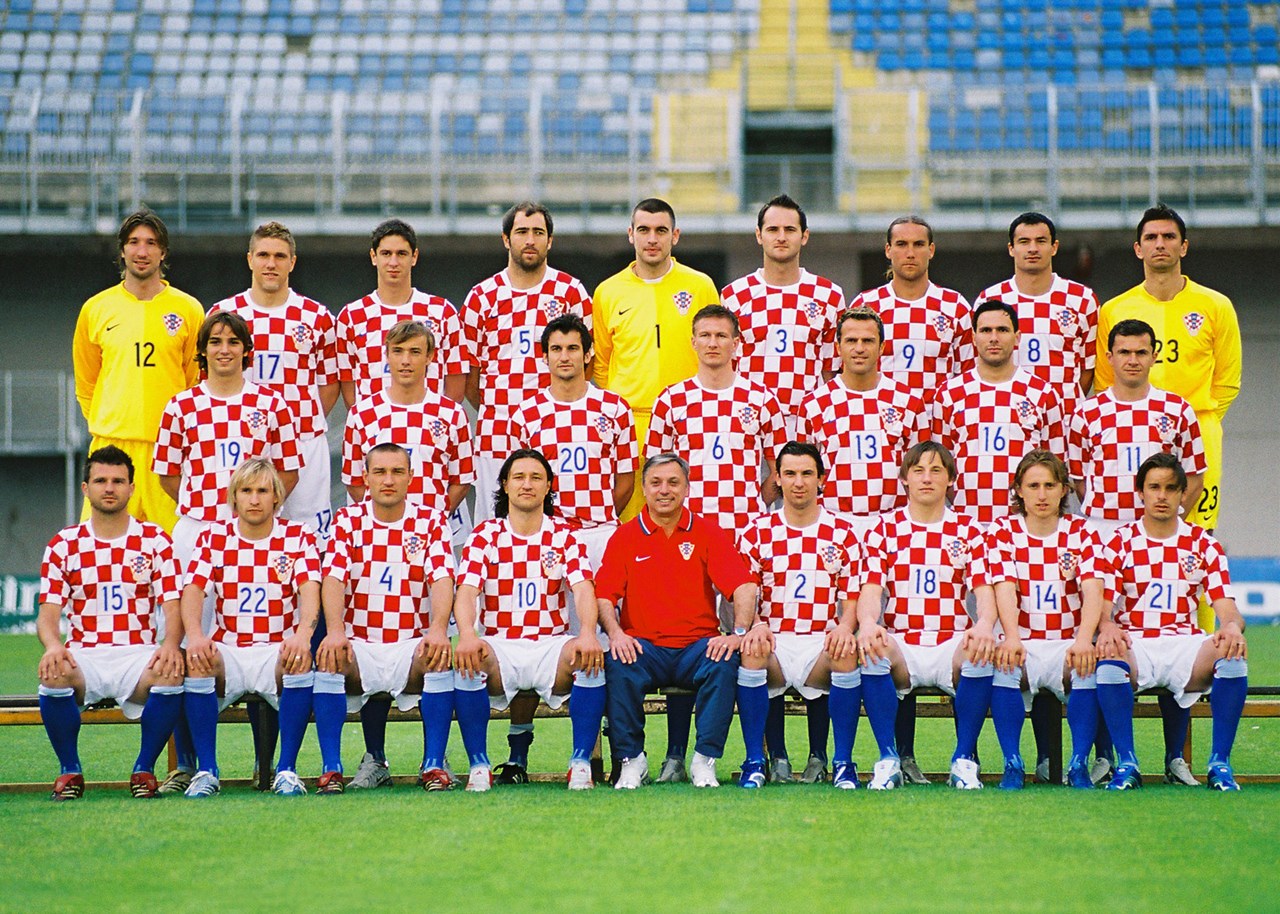
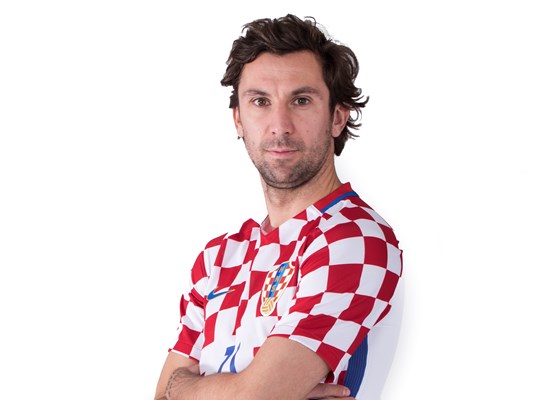
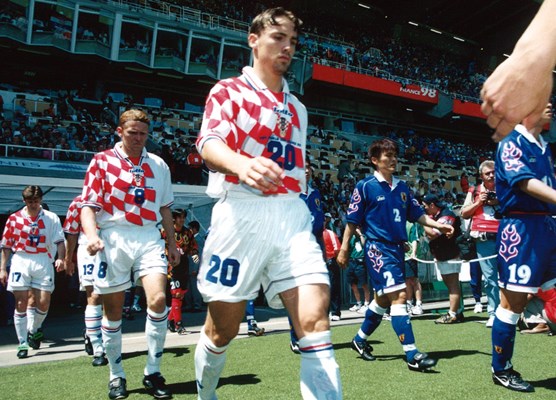
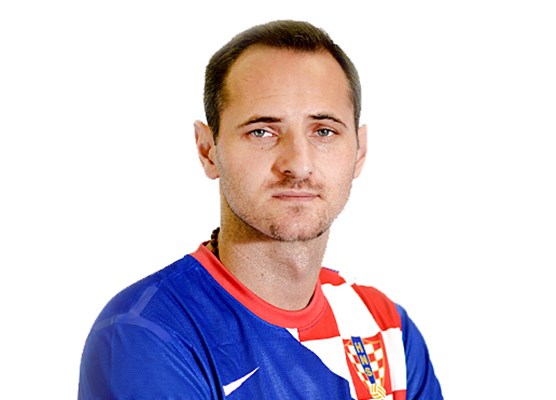
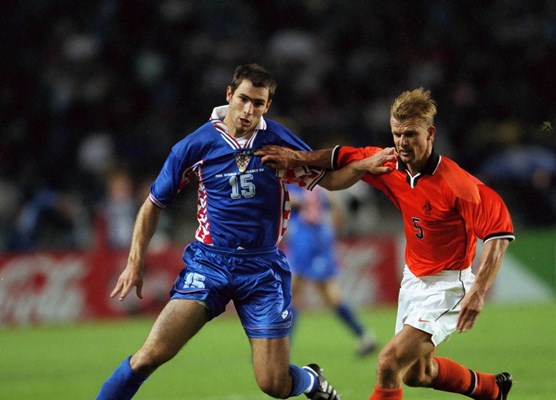
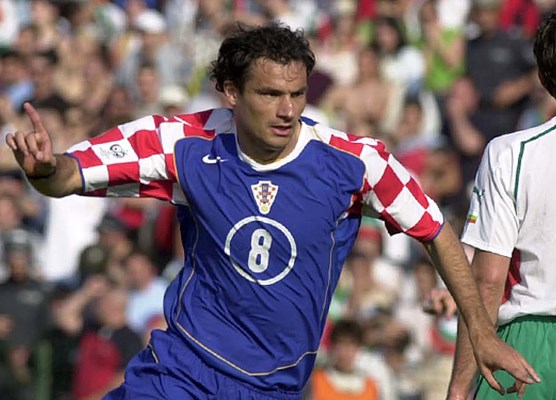
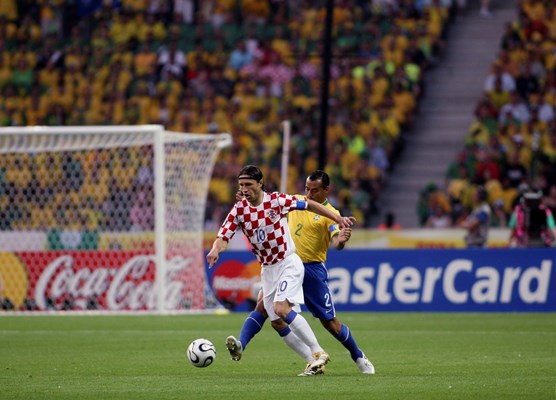
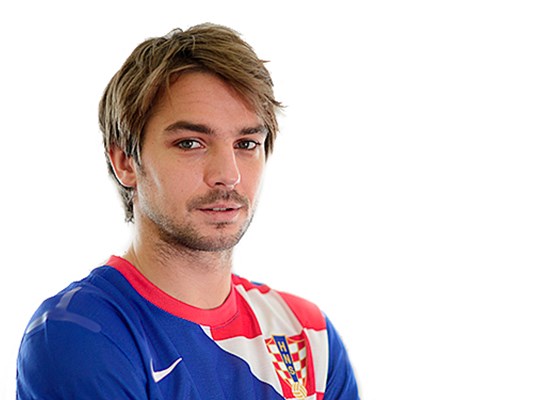
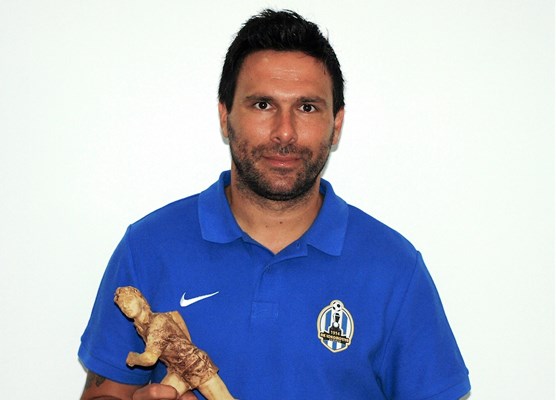
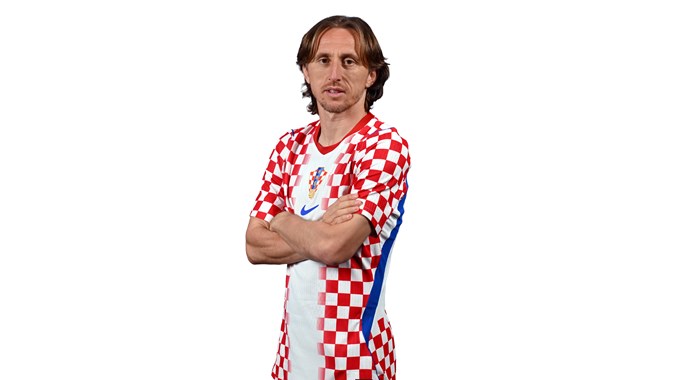
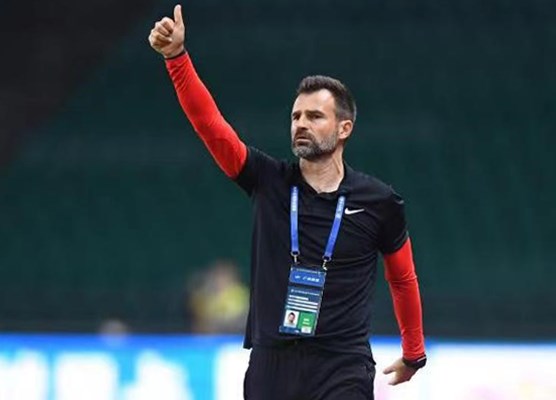
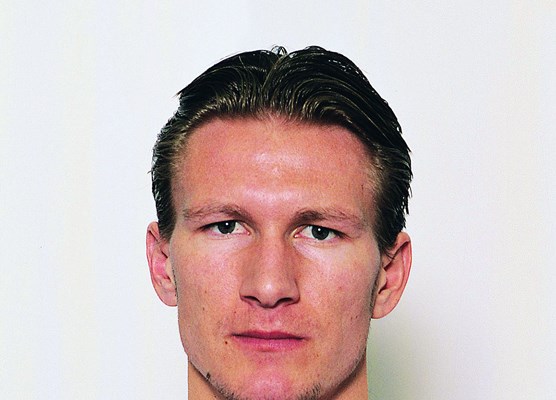
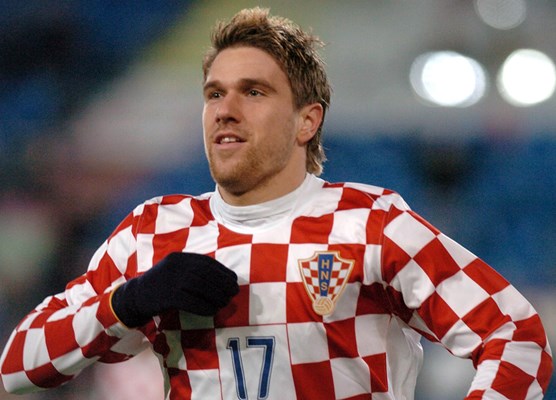







The 2006 FIFA World Cup was held in Germany, allowing the Vatreni to enjoy exceptional support throughout the tournament, especially after an unbeaten qualifying campaign had raised expectations to new heights.
Even though Croatia had to open its campaign against Brazil.
The defending world champions, packed with superstars such as Ronaldo, Ronaldinho, and Adriano, ultimately relied on Kaká’s brilliant strike — his shot finding the top corner of the Croatian net just a minute before halftime. The defeat, however, only strengthened Croatian support: the magnificent red-and-white fans at Berlin’s Olympiastadion and Croatia’s impressive resistance earned Zlatko Kranjčar’s team praise and sympathy from many neutral football lovers.
Next came another meeting with Japan, once again on a scorching day on the world stage, as in France ’98. This time, however, there was no “Šuker moment”, and the match ended goalless. Croatia missed its key opportunity in the first half, when Kawaguchi saved Srna’s penalty, while Kranjčar struck the crossbar.
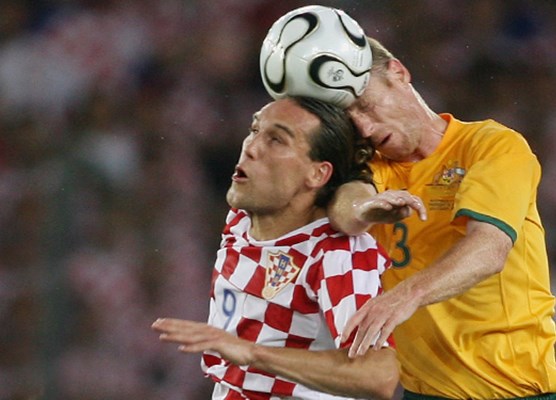
Croatia’s third match generated excitement reminiscent of the Brazil encounter. Srna scored a superb free-kick to give the Vatreni an early lead, but the resilient Australians refused to give in. Moore equalised after Tomas handled the ball, before captain Niko Kovač — who would later lead Croatia as head coach against Brazil in 2014 — restored the lead with a shot that slipped beneath Kalac.
Australia’s pressure finally paid off ten minutes from time, when Kewell made it 2:2 and paved the way for a chaotic finish involving three red cards — including the bizarre moment when referee Graham Poll showed Josip Šimunić a third yellow card. This emotional rollercoaster at the end of Group F remains one of the unforgettable chapters in Croatian football history.