Euro 1996
At its first major tournament, Croatia reached the quarterfinals where it lost against later winner Germany.
Read more
At its first major tournament, Croatia reached the quarterfinals where it lost against later winner Germany.
Read more
At its first World Cup, held in France, Croatian team won the historic bronze medal.
Read more
FIFA World Cup 2002 was held in Japan and South Korea, with Croatian team participating in the group stage.
Read more
EURO 2004 was held in Portugal, with Croatian team participating in the group stage.
Read more
FIFA World Cup 2006 was held in Germany, with Croatian team participating in the group stage.
Read more
EURO 2008 was held in Switzerland and Austria, with Croatian team losing a dramatic quarterfinal against Turkey.
Read more
EURO 2012 was held in Ukraine and Poland, with Croatian team stopped in the group stage by later finalists Spain and Italy.
Read more
FIFA World Cup 2014 was held in Brazil, with Croatian team participating in the group stage.
Read more
EURO 2016 was held in France, with Croatia reaching the Round of 16 and bowing out against later winners Portugal.
Read more
At the FIFA World Cup in Russia, Croatia national team achieved the biggest success in history by reaching the final and winning the silver medal.
Read more
Due to SARS-CoV-2 pandemic, Pan-European EURO 2020 was held in 2021, with Croatia national team reaching the Round of 16.
Read more
FIFA World Cup 2022 was held in Qatar, with Croatia national team winning the bronze medal.
Read more
UEFA Nations League final tournament in 2023 was held in Netherlands. As a first-time participant, Croatia won the silver medal.
Read more
EURO 2024 was held in Germany, with Croatian team participating in the group stage.
Read more
FIFA World Cup 2026 was held in USA, Canada and Mexico, with Croatia national team reaching the Round of 32.
Read more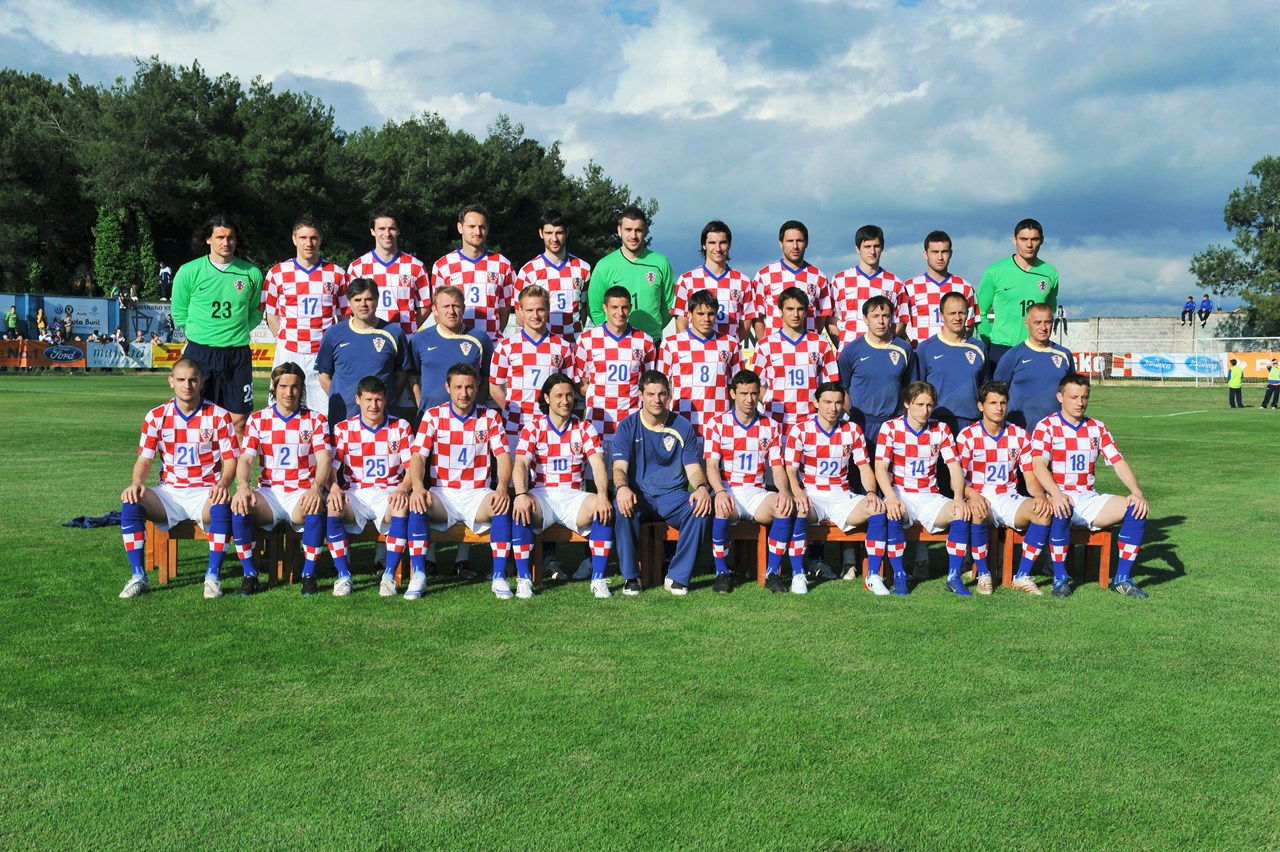
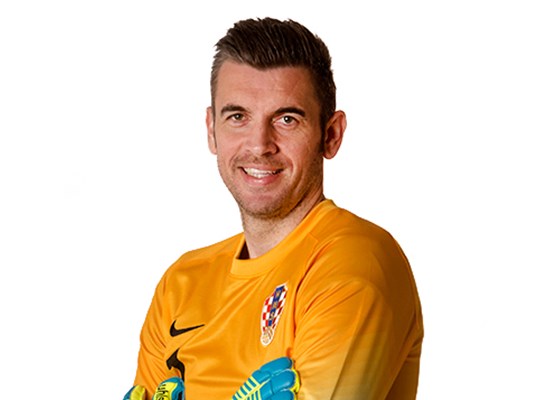
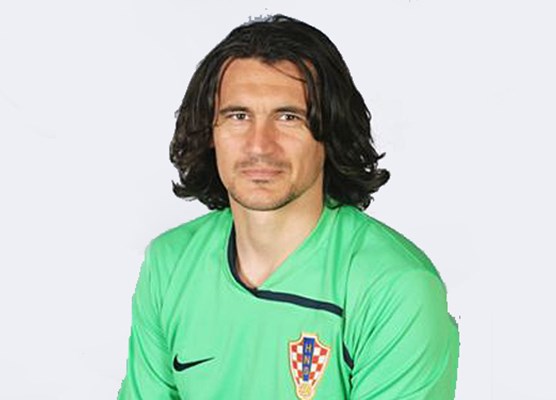
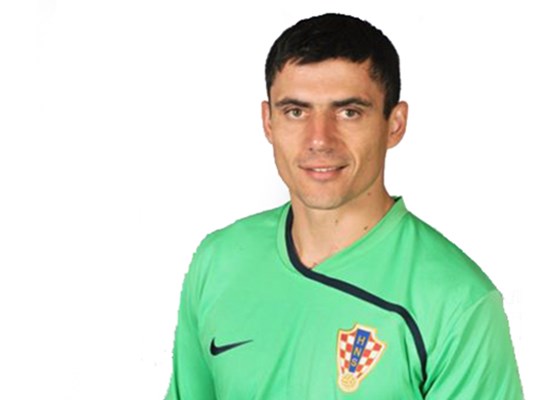
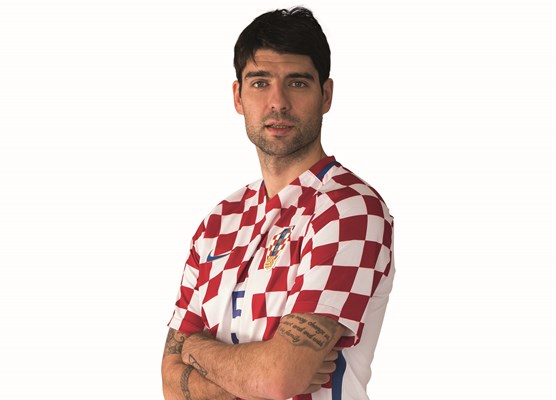
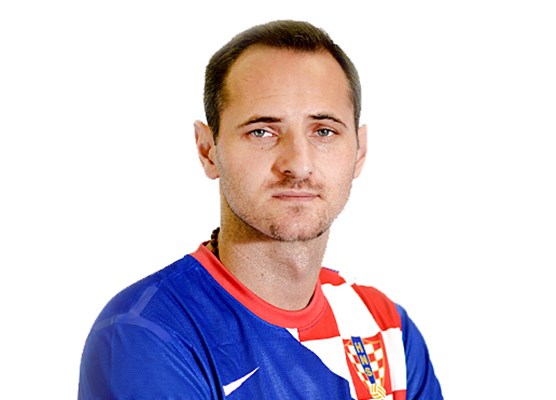
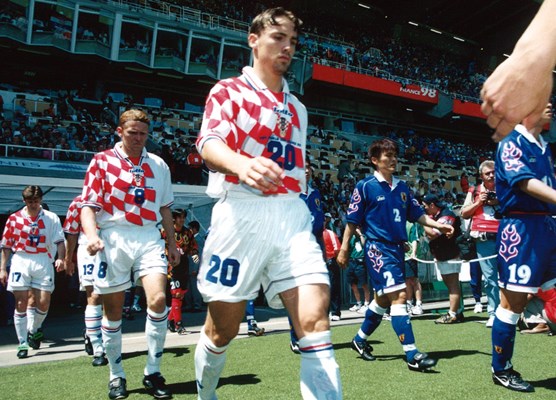

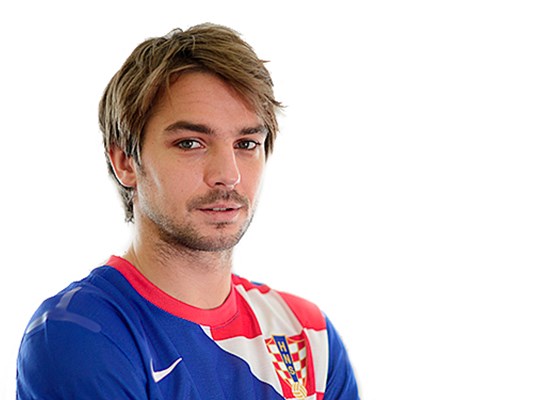
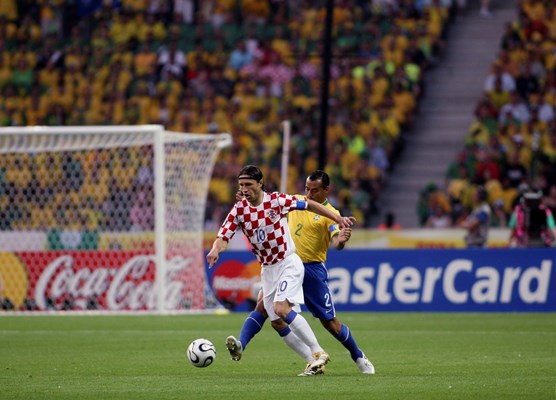


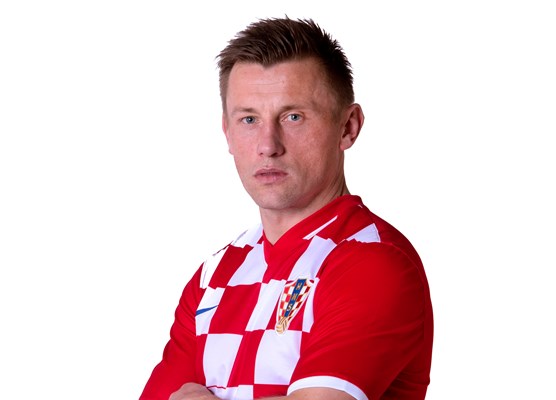
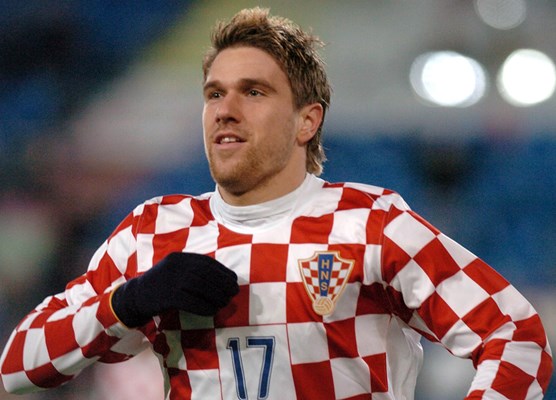
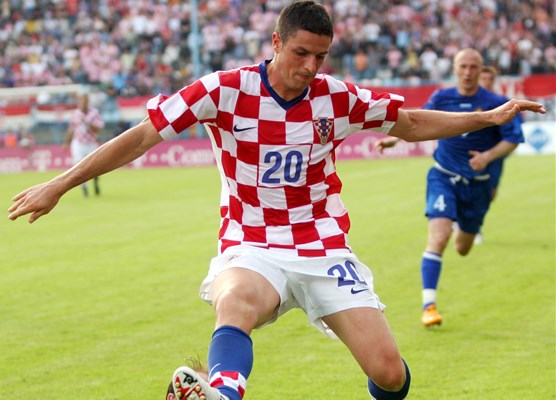
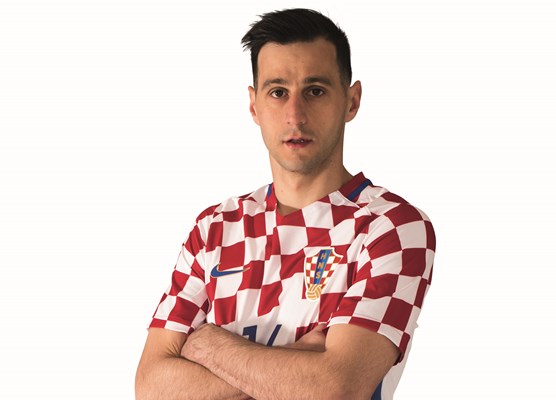


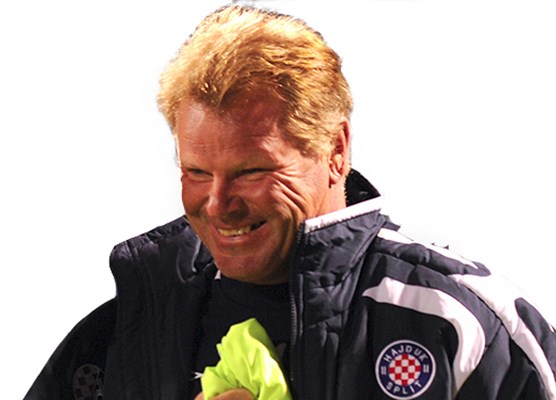
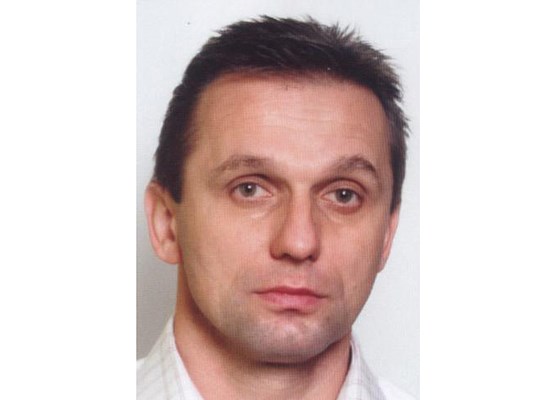
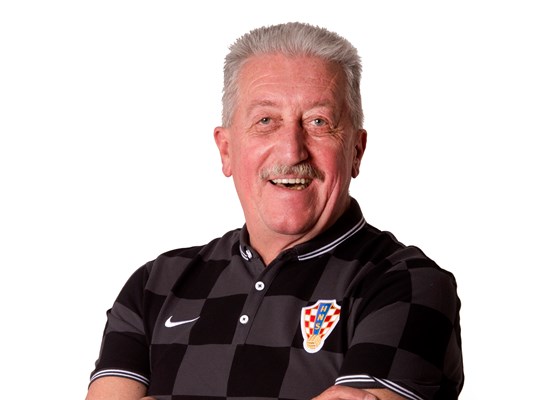
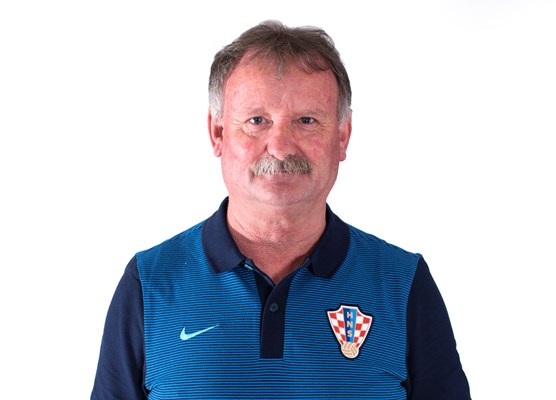





After the magnificent 3:2 victory over England at the iconic Wembley in the final round of the qualifiers — a result that left the Three Lions without a ticket to the final tournament — it was hard to contain the enthusiasm surrounding Slaven Bilić’s squad. The Vatreni rose to the challenge in spectacular fashion, winning all three of their group-stage matches.
The Vienna premiere against the hosts Austria was crowned by Luka Modrić’s winning penalty already in the fourth minute. Croatia caused its fans some late worry, and goalkeeper Stipe Pletikosa had to play a crucial role to preserve the win.
Four days later in Klagenfurt, Croatia shone against the future finalists, Germany. In one of the best Croatian performances in modern history, Löw’s side fell to goals by Darijo Srna and Ivica Olić, and Podolski’s consolation strike (2:1) could not dampen the celebrations. A place in the quarter-finals was already secured.
Thus Bilić gave his reserves a chance against Poland, but the outcome remained the same: early in the second half, Ivan Klasnić scored the decisive goal (1:0), and Croatia immediately shifted its focus back to Vienna and the clash with Turkey.
The match remained deadlocked for 119 minutes, before Ivan Klasnić — the hero who had undergone a kidney transplant — found the back of the net, sending Croatia into rapture. The joy, however, was short-lived. With the final kick of the match, Semih Şentürk equalised, and the semi-finalist had to be decided by penalties. The Croatians were no longer composed, and the semi-final, which at one moment seemed so close, slipped away into a dream. The nation was in tears; the match in Vienna was, and remains, one of the saddest in Croatian football history.